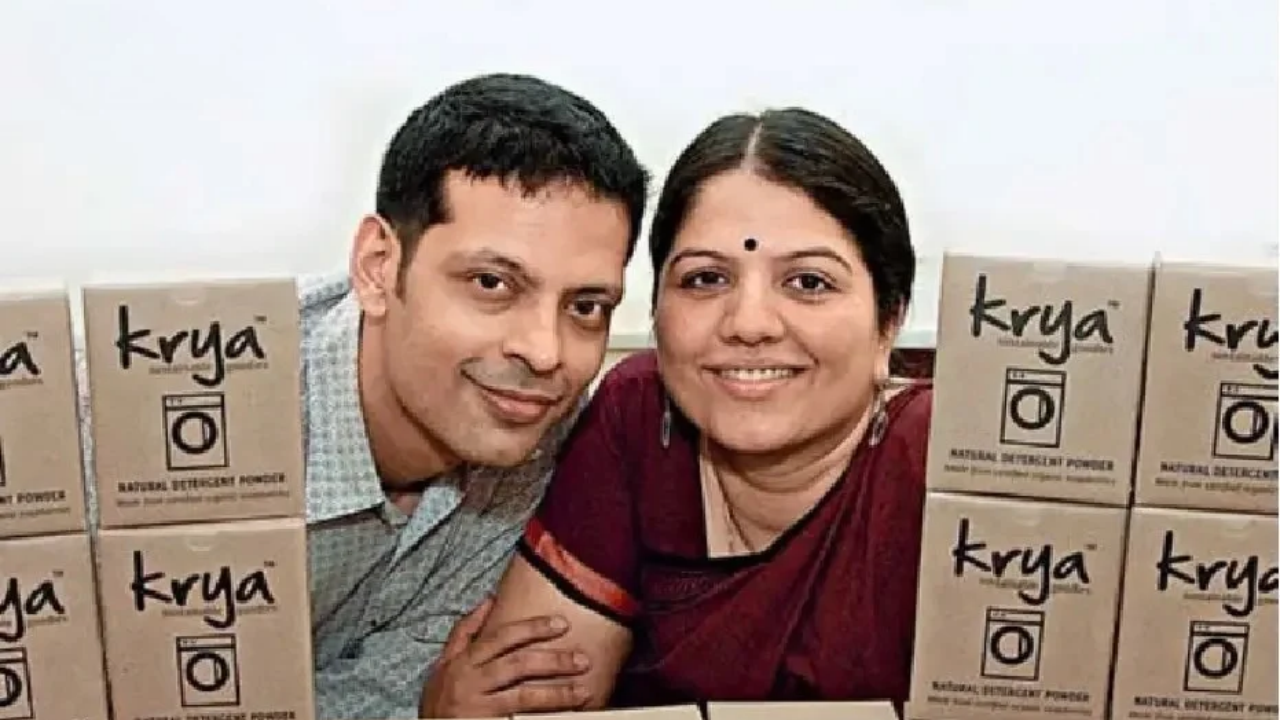
If you ever wondered how someone who didn’t run a lemonade stand at 10, or enter Business plan competitions in B- School took the plunge into self funded Entrepreneurship, this is one way. This is the second part of my story. To read Part 1 where I discovered that I actually wanted to be an Entrepreneur, click here.
I discover the Soapberry and the trajectory of my Life changes
My home at that point was looking like a mini supermarket. I had samples flowing out of every closet, as I attempted to create a better version of a Personal care brand.
I looked at milder surfactants. Products which used natural fragrances or essential oils. “Cleaner” ingredients. I scoured the world for legacy brands – My Europe trip, looking back, become like a giant sourcing trip. Even though at that time I didnt have a concrete business plan or idea. I had ended up visiting clean beauty pharmacy brands in france and even went to apothecary based skin care brands like santa Maria novella. All in an attempt to find really clean, truly sustainable beauty and personal care.
But it was 2011, and none of this was moving the mental marker I had. Nothing was really life altering or truly iconic. And somehow the point of doing all of this for me, was to make something TRULY remarkable.
And then I found my Life altering moment. In a dusty sack off Kutchery road in Chennai.

It was a herb sourcing trip. While looking at premium skin care and hair care, as a personal project, I started looking at Indian herbs to understand how I could use them at home. Obviously (I reasoned to myself), nothing could be more local or sustainable and earth friendly than a herb that grew in my country, was sourced whole and could be made into a liquid extract at home or processed into a powder. At that time I didn’t know much about herbs, but I was enthusiastic about educating myself.
So I started by reading up on a few herbs and making small sourcing herbs to a local Nattu marundha kadai. I began walking into stores every time I saw an interesting looking herb and asking what it was used for. Sometime around the 10th or so trip, a sack of golden looking berries caught my eye.
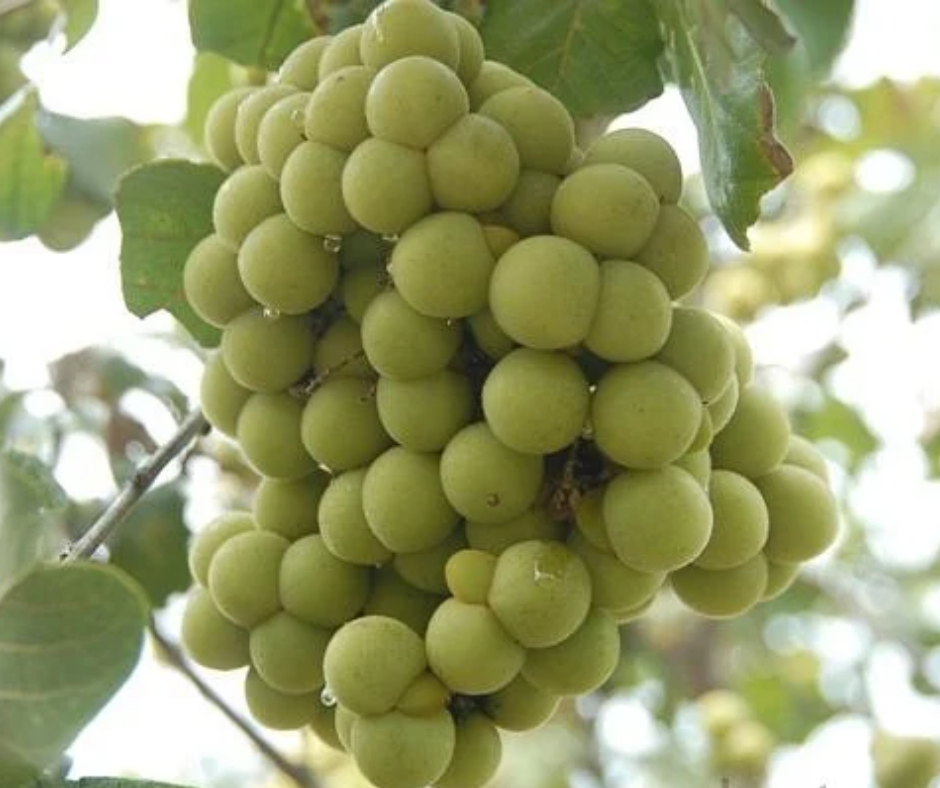
Ripe soapberries (taken during one of our supplier visits)
By this time, almost every herb I asked about was either used for diabetes or some internal health issue. So half expecting a similar response I pointed to the sack and asked what it was used for. His answer had me turning back from my view of the traffic just to ask him to repeat his answer.
“As a shampoo or a body wash”, he smiled as he saw my interest. I immediately bought a kilo of the berries and took them home to try out.
I go down the Soapberry rabbit hole
For the next few months, I went down the Soapberry rabbit hole. I started working with this unassuming magical golden berry. My research made me understand, that as in all cases Indic, this was yet another Indian treasure that had been adopted happily by the west but completely forgotten in India.

The most extensive, loving blogs on how to use Soapberries in HE washing machines, how to use them to clean dishes, to make home made shampoos all existed..,in the U.S
I found myself in the strange position of having to slowly learn my culture and Herbs. From someone else!
My research was very experimental. Every recipe I came across I tried at home. I experimented with cold storage, preservation techniques, fermentation. I wrote to chemical and natural preservative manufacturers looking for options I could use to preserve extracts.
And in the meantime I started creating my own formulations. in hair care. skin care, home care. To mop the floors. To clean the toilets. And magically cleanse my hair. I had never come across such a wonder ingredient before this that had practically unlimited use cases, was truly sustainable yet did its job really well.
I decide to start a personal care brand with a detergent
My notebook now started getting thicker and more extensive. From testing out mildly clean or somewhat green personal brands which made me feel Meh, I was supercharged by the Soapberry.
Suddenly I could envision a truly strong, strong remarkable offering that was game changing. A whole line of home and personal care products made completely from Indic herbs. a lean transparent formulation, as few additives as possible. And something you could not just use safely on yourself . But a product line which you could discharge into soil and water without worry of pollution or wastage of natural resources.
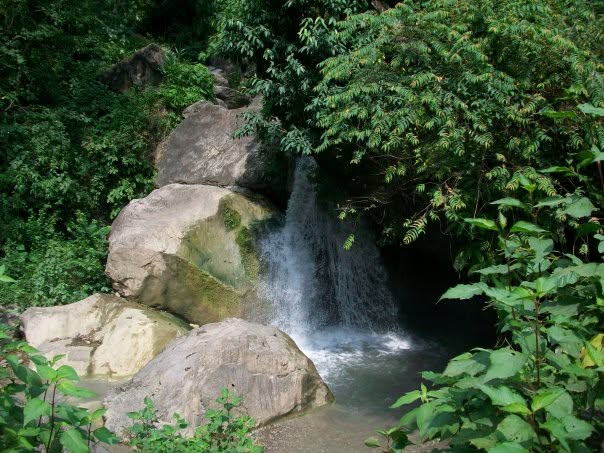
Clean spring water in the Himalayas I drank out of during my travels. A body of water I imagined our products protecting.
And this was truly game changing. In all my research I hadn’t come across another brand like this which could boldly go and use herbs and ONLY herbs as the front and centre of the product. I started building product trees and maps at night using colored markers to highlight each category.
I could almost see it in my hand: an earthy, stark offering that was radically transparent and surprisingly minimal in its build. But what to start with? That was the question.
I then thought of another way to decide. I looked at what existed in each category and decided to launch in the category with the least number of brands / serious work being done. All my research pointed to just one category: home care cleaning products, with detergents being my number 1 priority.
The Red Industry and Memories of watching customers wash clothes in Vishakapatnam
In 2003, I joined a leading MNC as a Detergent Brand Manager. The 1.5 years I spent there were some of the worst days in my career (More on that in a later blog post). But from my Summer Internship days, I discovered I truly loved and had a talent for qualitative consumer research.
So in every assignment I had, I would spend many hours in consumer homes watching them use consumer products, trying to understand what actually drove brand purchase and loyalty, and what they really looked for. And during my terrible 1.5 years as a Brand Manager for the number 3 / 4th detergent brand in India, the only thing I looked forward to was consumer research.
A particular trip stands out in my mind even today. I was in Vishakapatnam, sitting on a stool. Inside a customer’s bathroom . Watching as she slowly washed her husband’s shirts and child’s uniforms with a bar of solid blue detergent cake. The cake was particularly difficult to rinse out, and she used up buckets and buckets of water trying to get out the foam. Her home had an open drain, and I could see the grey water residue from her bathroom flowing out of her home.
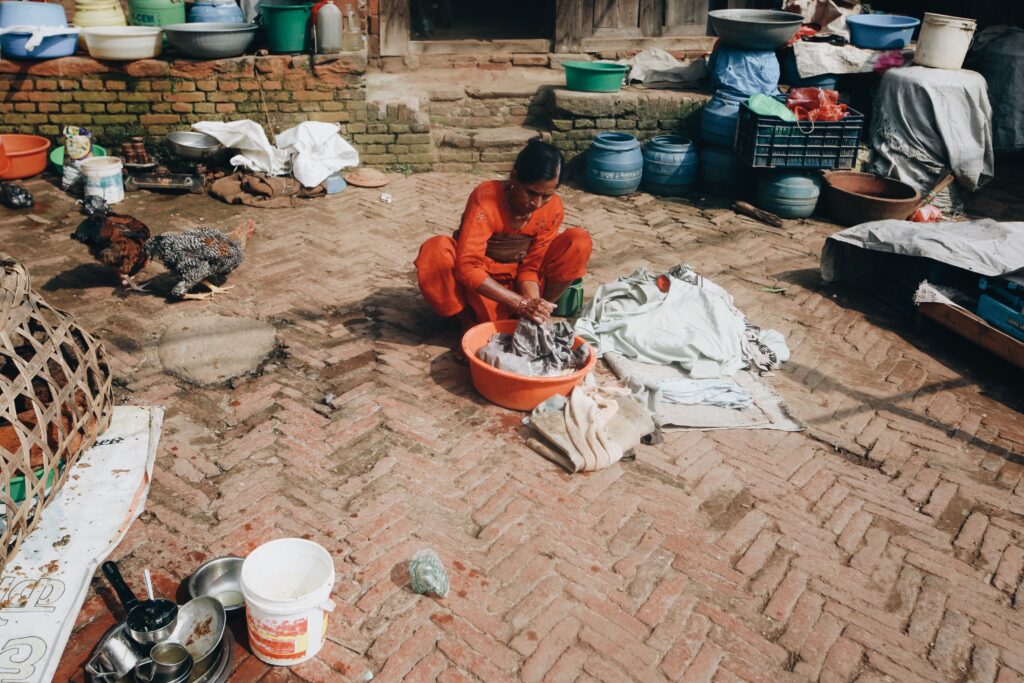
Doing the laundry is a surprisingly toxic activity
At the end of that marathon washing session of one hour, as she dried the clothes on the line, her hands were red and wrinkled. A result of the toxic overload of surfactant that was particularly harsh on skin.
So when I was researching what products to launch Krya and came across the MoEF report that described how toxic the detergent industry was, I wasnt surprised. The MoEF described it as a “Red” industry – a classification only reserved for the most polluting industries. Detergents were right up there along with leather tanning units in their ability to pollute water and soil both downstream and upstream.
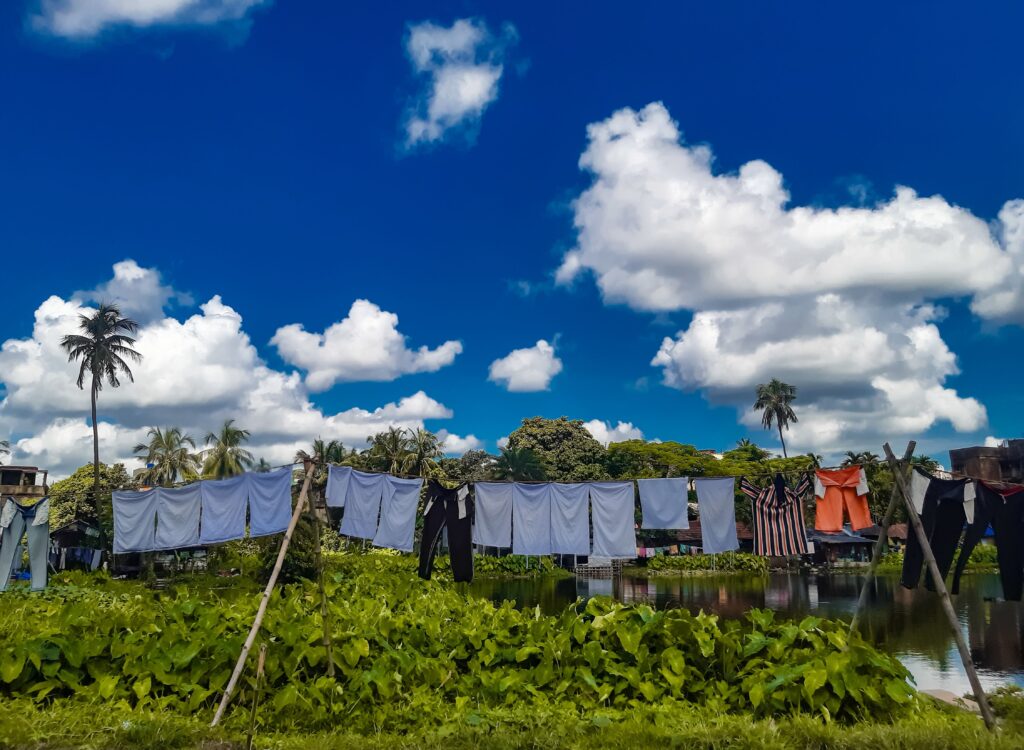
One of the most polluting industries in India (both up and downstream)
During manufacturing, the powder detergent uses up tons of ground water. Not many people know this, but powder detergent brands also use up water. They start by creating a slurry with ground water and then disperse this slurry via an atomization process to disperse the slurry in even controlled particle sizes. Hot air or other gases are blown in the same direction as the slurry, evaporating the water, and creating fine , even sized particles. as most detergent brands use a spray drying process to manufacture detergent powder just to give you even sized particles.
Of course Liquid detergents directly use water in the product itself. About 40-75% of the Liquid detergent is water, which is the solvent that holds everything together. Further, while ground water is extracted for this purpose, often water is further purified by filtration in order to use in the product, which could also lead to water waste during the purification process.
This is just during the manufacturing process upstream.
Downstream, as domestic customers discharge detergent grey water by the tons everyday , filled with surfactants, enzymes, industrial fragrances and builders like phosphates.
Typically this grey water would find its way downstream to some body of fresh water, like a lake or pond permanently altering the water’s composition making it undrinkable.
Over the last decade, the sheer toxic overload of detergents has even caused urban water bodies in cities like Bangalore and Hyderabad to foam up, discharging foam and toxic chemicals into the atmosphere. Bellandur Lake alone in Bangalore, receives nearly 500 million litres of untreated sewage of which is 90% is grey water and waste from domestic use . This grey water is rich in enzymes, surfactants and builders thanks to our detergent industry causing toxic foam to build up.

Toxic froth from the polluted Bellandur Lake is blown into the air in Bangalore. Pic courtesy Hindustan Times
At the time I was pondering over this question, the lakes in cities had not yet started foaming. But I understood exactly how polluting something which everyone used every single day actually was. And in 2010, no brand was working on this. (In 2026, we still dont have any serious player outside of Krya making products that truly make a difference!)
So in 2010, it checked 3 boxes for me:
- There was a serious environmental and health problem here
- We had an indigenous superstar herb that could actually cleanly and neatly give people a real alternative
- It was a category where no brand was present
The story continues in part 3…
Part 3 sees the launch of our Detergent , our other home care products (pictured below) and our journey towards the Krya factory. You’ll read about how we built in personal care after staring in household cleaning.
If you enjoyed reading this, do leave me a comment . Thanks again!
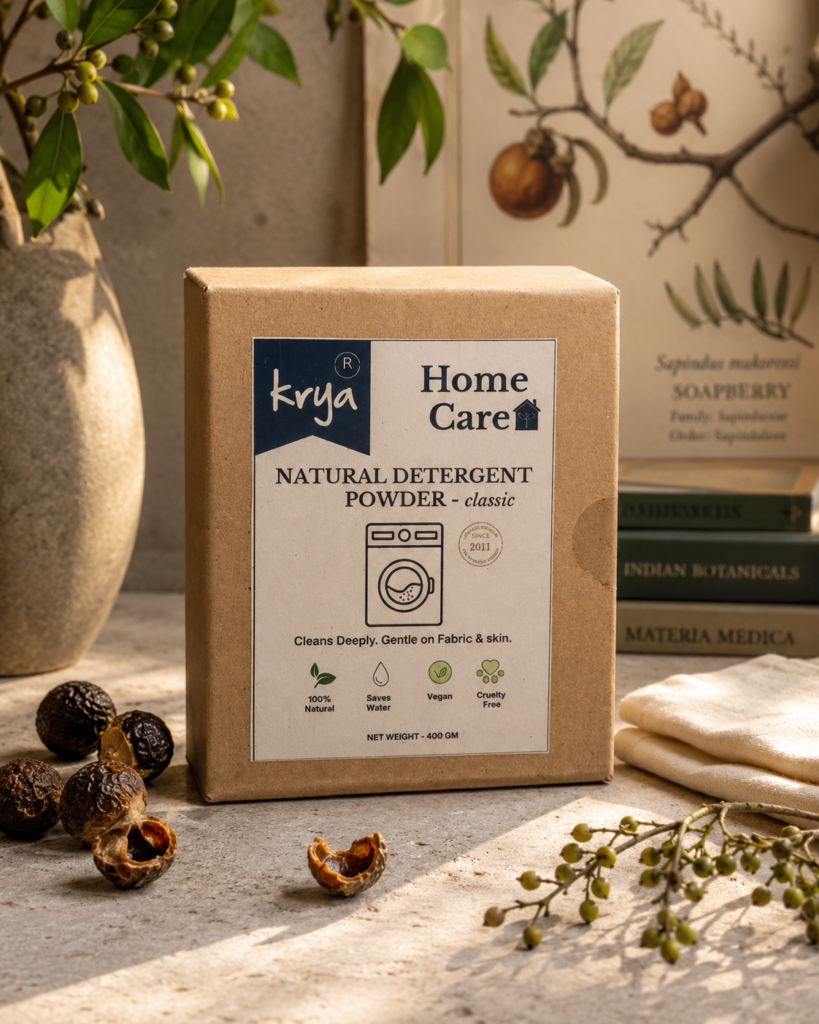
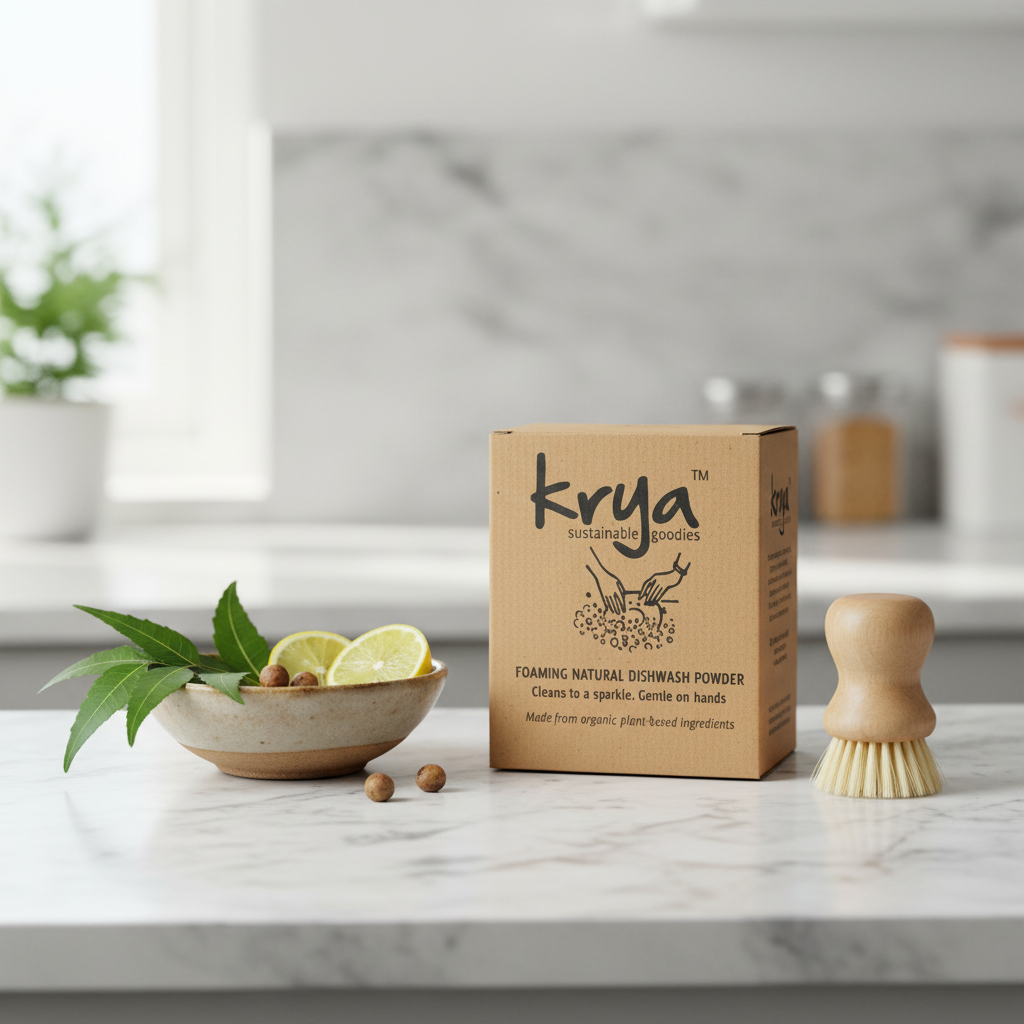
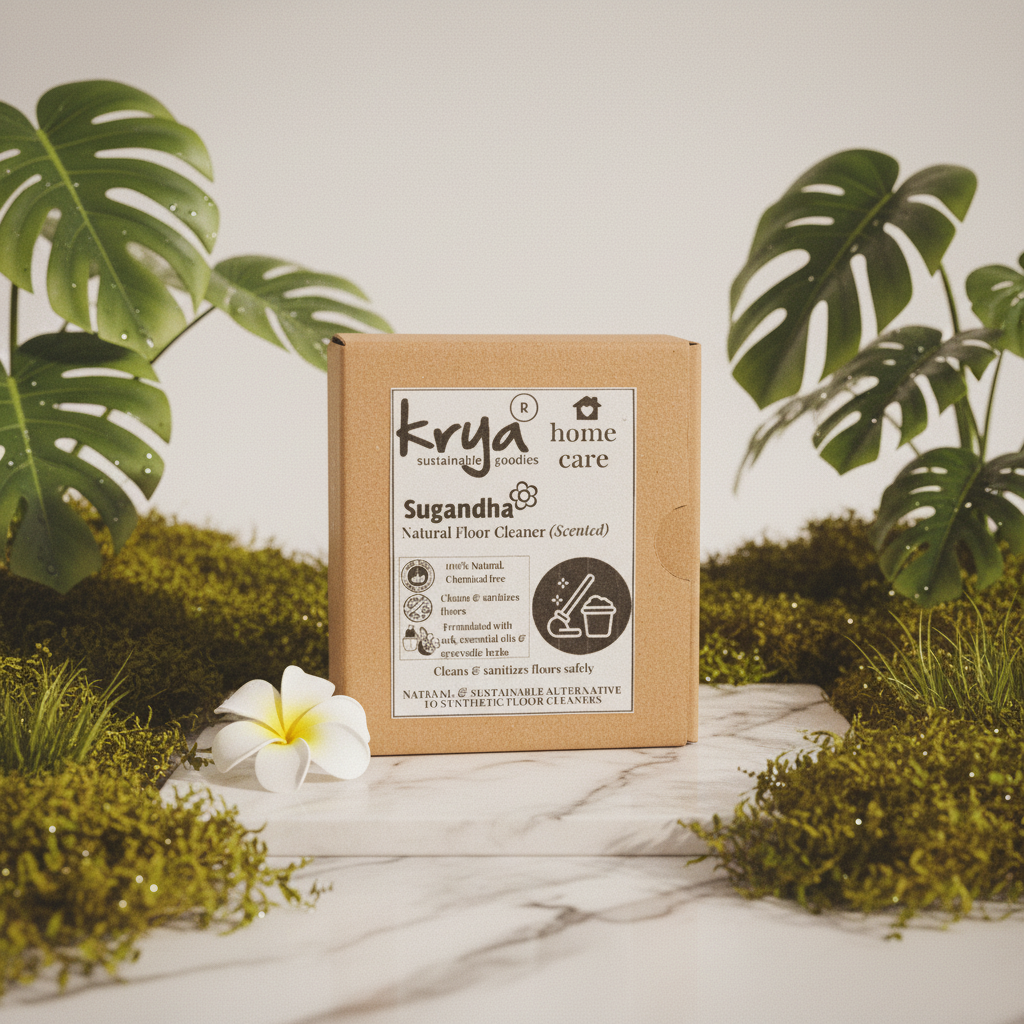
A glimpse of the 100% natural home cleaning products at Krya
Leave a Reply